Characteristics of Korean, Chinese, and Japanese Men: A Cultural Comparison in 2025
In the diverse tapestry of East Asian cultures, the characteristics of Korean, Chinese, and Japanese men reflect centuries of history, societal norms, and modern influences. As of 2025, globalization, technology, and shifting gender roles have nuanced these traits, blending tradition with contemporary life. This blog post provides a comprehensive, detailed exploration of the cultural, physical, and personality characteristics of men from Korea, China, and Japan. We'll break it down by country, address common stereotypes (with a critical lens to avoid generalizations), and offer a comparative analysis through tables and timelines. Whether you're interested in dating, business, or cultural studies, this guide draws on reliable sources to offer balanced insights.
Note: Cultural traits are generalizations shaped by society, history, and media—individual variations always exist. This post aims to educate, not stereotype, based on sociological observations and user experiences from platforms like Reddit and Quora. Let's dive into how these men's characteristics have evolved, influenced by Confucianism, rapid modernization, and global trends.
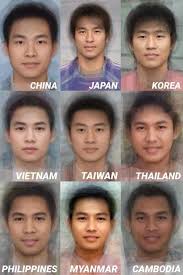
Korean Men Characteristics: Resilience, Fashion, and Social Dynamics
Korean men, often shaped by South Korea's dynamic culture, exhibit a blend of traditional values and modern adaptability. In 2025, with K-pop and K-drama's global influence, Korean men are perceived as stylish, hardworking, and emotionally reserved—though these are evolving.
Physical and Aesthetic Traits
Korean men tend to have paler skin, higher cheekbones, and a slimmer build compared to their East Asian counterparts. Fashion plays a big role; many embrace "K-beauty" with skincare routines and trendy clothing. From hanbok in traditional settings to casual streetwear, Korean men prioritize grooming—think clean-cut hair, fitted suits, and subtle accessories. In 2025, the "flower boy" aesthetic (soft, androgynous looks inspired by idols like BTS) remains popular, but there's a shift toward athletic builds influenced by military service and fitness trends.

Personality and Cultural Traits
Lifestyle and Social Roles
Many Korean men serve mandatory military duty (18 months), instilling discipline and patriotism. Career-wise, they pursue high-status jobs in tech or finance, influenced by "suneung" exam pressures. In 2025, with low birth rates, there's growing emphasis on shared parenting, though traditional roles persist. Dating often involves group meetups ("sogaeting"), and marriage focuses on stability. Challenges include high stress from work, leading to "burnout culture," but positive traits like kindness and humor shine in close relationships.
Chinese Men Characteristics: Tradition, Ambition, and Family Focus
Chinese men, influenced by millennia of Confucian values and modern communism, often prioritize family, hard work, and harmony. In 2025, China's economic rise has shaped them as ambitious and adaptable, blending ancient traditions with contemporary globalism.
Physical and Aesthetic Traits
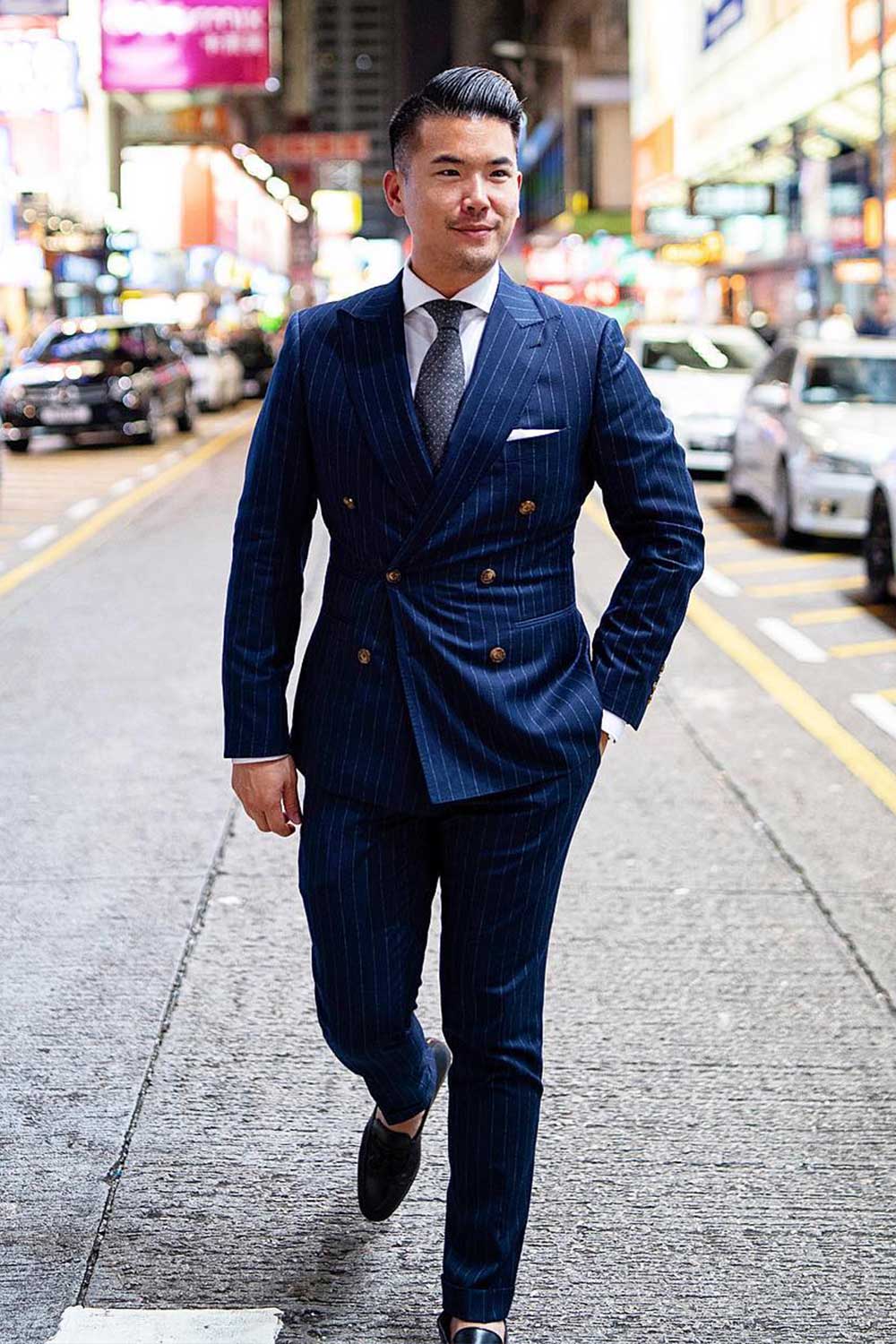
Chinese men vary regionally—northerners taller and fairer, southerners more compact. Common features include straight black hair, dark eyes, and a mesomorphic build. Fashion leans toward practical yet stylish: business suits in cities like Shanghai, traditional qipao-inspired attire for festivals. In 2025, urban Chinese men embrace "guochao" (national tide) style, mixing Western suits with Chinese elements like silk ties. Grooming is minimal but increasing with K-beauty influence.
Personality and Cultural Traits
emphasizing "guanxi" (relationships) and harmony. Confucianism instills
respect for hierarchy and elders, leading to indirect communication to avoid
conflict. In relationships, they are protective and provider-focused, but
"996" work culture (9am-9pm, 6 days) can strain personal life. Stereotypes
include being "insensitive" or "misogynistic," but 2025 sees shifts with
younger generations embracing emotional openness and gender equality. Regional
differences: Northern men "gruff and loyal," Southerners "entrepreneurial."
Positive traits like honesty and ambition shine in business.
Lifestyle and Social Roles
Family is paramount—many live with parents until marriage, supporting "one-child policy" legacies. Career ambition drives long hours in tech or manufacturing. In 2025, with economic slowdown, entrepreneurship rises. Dating involves matchmaking or apps, with marriage pressure high due to "shengnan" (leftover men) phenomenon. Challenges include stress from competition, but resilience ("chi ku" or eating bitterness) is admired.Japanese Men Characteristics: Politeness, Discipline, and Work Ethic
Japanese men are frequently associated with precision, courtesy, and a strong sense of duty, shaped by samurai heritage and post-war economic miracle. In 2025, amid aging society and "hikikomori" issues, they balance tradition with modern flexibility.Physical and Aesthetic Traits
Japanese men typically have straight black hair, dark eyes, and a slimmer, ectomorphic build. Fashion is understated—salaryman suits (dark colors, white shirts) for work, casual yukata or streetwear for leisure. In 2025, "otaku" culture influences quirky styles, while urban men adopt "clean boy" aesthetics with minimalism. Regional variations: Tokyo men polished, rural men practical.
Personality and Cultural Traits
Japanese men are known for politeness ("wa" or harmony), reserve, and dedication. Bushido code fosters discipline and loyalty, seen in "salaryman" culture. In relationships, they are indirect and patient, but "herbivore men" (soshoku danshi) trend shows less aggression in romance. Stereotypes include being "workaholic" or "emotionally distant," but 2025 sees more "ikumen" (involved fathers) and mental health awareness. Socially, they value group harmony, enjoying izakaya gatherings.Lifestyle and Social Roles
Work ethic is intense ("karoshi" or death from overwork is a concern), with long hours in companies like Toyota. Family roles are traditional, but low birth rates prompt change. Dating is subtle, often through "gokon" group dates. Challenges include social withdrawal, but strengths like reliability shine in crises.Korean, Chinese, and Japanese Men: A Comparative Analysis
While generalizations, cultural contexts reveal differences. Korean men often appear more expressive and fashion-forward, Chinese men ambitious and family-centric, Japanese men polite and disciplined. Physical traits: Koreans with higher cheekbones, Chinese varied by region, Japanese slimmer. Stereotypes (e.g., Korean "passionate," Chinese "practical," Japanese "reserved") stem from media, but 2025 globalization blurs lines.Comparison Table: Key Traits
| Trait | Korean Men | Chinese Men | Japanese Men |
|---|---|---|---|
Physical |
Pale skin, high cheekbones, taller |
Varied (taller north, compact south), mesomorphic |
Slim, ectomorphic, understated grooming |
Personality |
Resilient, competitive, emotional in close ties |
Ambitious, pragmatic, family-oriented |
Polite, disciplined, reserved |
Fashion |
Trendy, K-beauty influenced |
Practical, guochao mix |
Minimalist, salaryman suits |
Social Roles |
Work-life balance struggle, military service |
Provider, guanxi networks |
Workaholic, group harmony |
Stereotypes (Critical View) |
Passionate but pressured |
Insensitive, ambitious |
Emotionally distant, herbivore |
Evolution Timeline of Cultural Traits (1900–2025)
Cultural traits have evolved with history:| Year | Korean Men | Chinese Men | Japanese Men |
|---|---|---|---|
|
1900s |
Confucian loyalty, independence struggles |
Imperial traditions, family focus |
Samurai legacy, modernization |
1950s |
Post-war resilience, military emphasis |
Communist equality, work ethic |
Economic miracle, salaryman culture |
2000s |
K-pop influence, fashion-forward |
Economic boom, ambition rise |
Herbivore men, work-life balance |
2025 |
Gender equality push, tech-savvy |
Global entrepreneurs, family priorities |
Mental health awareness, flexible roles |
Impact and Future Outlook of East Asian Masculinity
These characteristics influence global perceptions, from K-drama heartthrobs to business tycoons. In 2025, globalization blurs differences, with men adopting hybrid identities. Challenges include mental health stigma and gender roles, but positive shifts promote equality. Future: Tech and media will continue reshaping traits.Further Reading
This post offers a balanced view of Korean, Chinese, and Japanese men’s characteristics. Comments welcome! (Keywords: Korean men characteristics, Chinese men traits, Japanese men features, Asian men comparison, cultural stereotypes 2025)Published: October 2, 2025 | Category: Culture, East Asia, Gender Studies


0 Comments