Characteristics of Korean Women: A Cultural Exploration
Korean women embody a captivating blend of tradition, resilience, and
modernity, shaped by centuries of history and rapid societal changes. As of 2025, with South Korea's global influence through K-pop, K-drama, and K-beauty, Korean women are often perceived as elegant, ambitious, and multifaceted. This blog post provides a comprehensive, detailed exploration of their physical, cultural, and personality characteristics, addressing common stereotypes with a critical lens to promote understanding rather than generalization. We'll cover historical evolution, current trends, and future outlooks, supported by timelines, tables, and reliable sources. Whether for cultural studies, travel insights, or personal interest, this guide draws from sociological data, user experiences (e.g., Reddit, Quora), and recent studies.
Note: Traits discussed are cultural generalizations influenced by society, media, and history—individual differences abound. In 2025, Korean women are breaking barriers in tech, entertainment, and politics, challenging outdated views amid low birth rates and gender equality movements. Let's delve into how these characteristics have evolved, from Confucian roots to K-culture dominance.
Physical and Aesthetic Traits of Korean Women
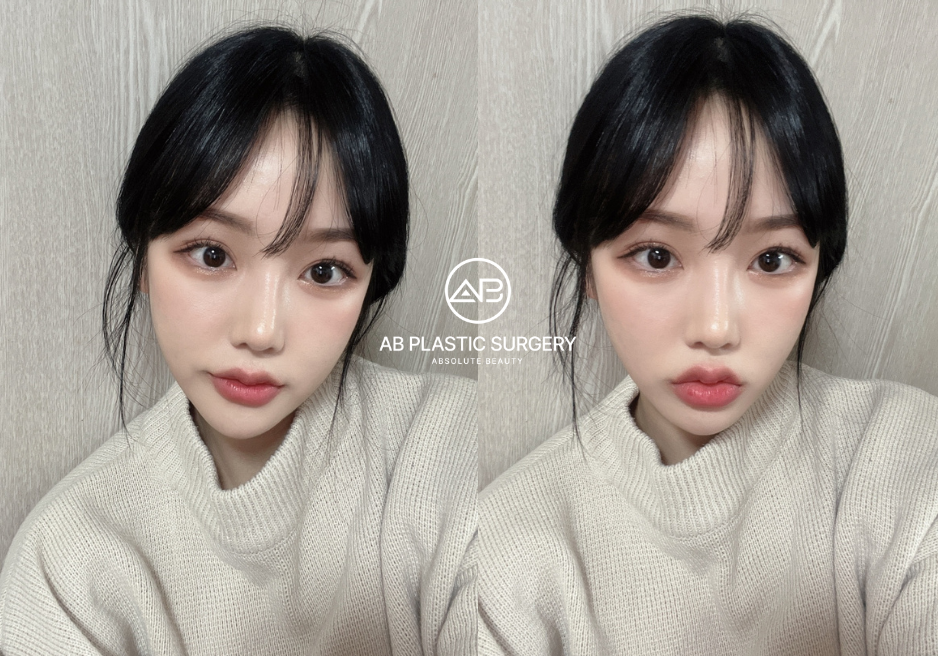
Korean women's physical characteristics are often highlighted in global media, influenced by genetics, skincare routines, and cultural ideals. Typically, they have fair skin, dark hair, almond-shaped eyes, and petite builds, with average height around 162 cm (5'4") in 2025. Beauty standards emphasize a "V-line" face (slim jaw), double eyelids, and flawless skin, rooted in historical preferences for pale complexion symbolizing nobility (avoiding outdoor labor).
Beauty and Fashion Evolution

Personality and Cultural Traits of Korean Women
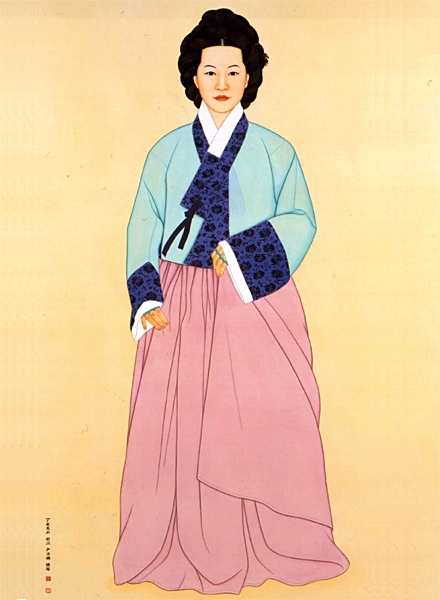
Korean women are often described as resilient, intelligent, and harmonious, shaped by Confucian values emphasizing family and society. Personality traits include diligence ("jeong" or deep affection in relationships), adaptability, and a strong work ethic—many balance careers with household roles. In 2025, feminist movements like #MeToo and "4B" (no dating, marriage, birth, sex) highlight independence and resistance to patriarchy, challenging stereotypes of submissiveness.
Challenges and Strengths in Personality
Historical oppression (e.g., Japanese occupation, Korean War) fostered resilience, while modern issues like gender wage gap (#1 OECD in 2025) drive ambition. Traits like "aegyo" (cuteness) are cultural, but criticized as infantilizing. In relationships, they seek equality, countering "submissive" myths.Lifestyle and Social Roles of Korean Women
Korean women's lifestyles reflect a mix of tradition and innovation. In 2025, many are career-focused, with 60% workforce participation, balancing high-tech jobs (e.g., in Samsung, Kakao) with family. Urban women in Seoul enjoy K-culture—K-dramas, beauty routines, and social media—while rural areas maintain conservative values. Social roles have shifted from homemakers to leaders, with women in politics (e.g., Yoon administration) and entertainment (Blackpink, NewJeans breaking stereotypes).Daily life: Rigorous education (hagwon culture), fitness (Pilates boom), and self-care. Marriage age rose to 31 in 2025, with declining birth rates (0.7 per woman) sparking "no-child" movements. Stereotypes of "passive" roles are challenged by feminists advocating equality. Positive aspects: Community-oriented, supportive in friendships, and innovative in K-beauty exports ($15 billion in 2025). Challenges: Work-life balance, sexism, and mental health issues from societal pressure.
Modern Trends in Lifestyle
2025 sees Korean women leading in tech startups and K-pop, with groups like NewJeans redefining femininity. Health trends: Veganism, yoga. Socially, apps like KakaoTalk foster connections, but cyberbullying is an issue.Stereotypes of Korean Women: Critical Analysis
Common stereotypes include "beautiful but plastic" (from high surgery rates), "submissive and family-oriented," or "materialistic" (doenjang-nyeo trope). These stem from media like K-dramas portraying women as romantic ideals or historical figures like gisaeng (artists). However, they are reductive—ignoring women's agency in feminism and career success. In 2025, movements like #MeToo expose misogyny, and icons like Han Kang (Nobel winner) shatter passive images. Positive stereotypes: Intelligent, strong, fashionable—but even these can pressure conformity. Critically, stereotypes reinforce gender biases; reality shows diverse, empowered women.Debunking Myths
"Submissive": Many are outspoken feminists. "Beauty-obsessed": Reflects societal pressure, not inherent trait. 2025 trends: Body positivity rising.Historical Evolution of Korean Women's Traits (1900–2025)
Korean women's characteristics have transformed from Confucian subordination to modern empowerment.| Year | Key Events | Traits Evolution | Impact |
|---|---|---|---|
1900s |
Joseon Dynasty end, Japanese occupation |
Submissive, family-focused |
Resilience in adversity 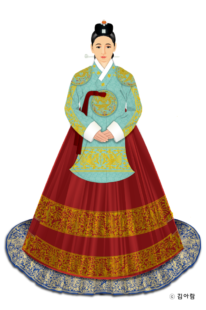 Korean Women in History | Glasgow Women's Library |
1950s |
Korean War, post-war reconstruction |
Strong, hardworking homemakers |
Economic contribution rise |
1980s |
Democratization, women's rights movements |
Educated, career-oriented |
Gender equality push |
2000s |
K-culture boom, #MeToo |
Confident, fashionable |
Global icons emerge |
2025 |
Low birth rates, feminist advances |
Independent, innovative |
Breaking stereotypes  10 Korean Makeup Trends 2025 That'll Dominate Your Feed Soon |


0 Comments